Home cleaning, organization and lifestyle tips
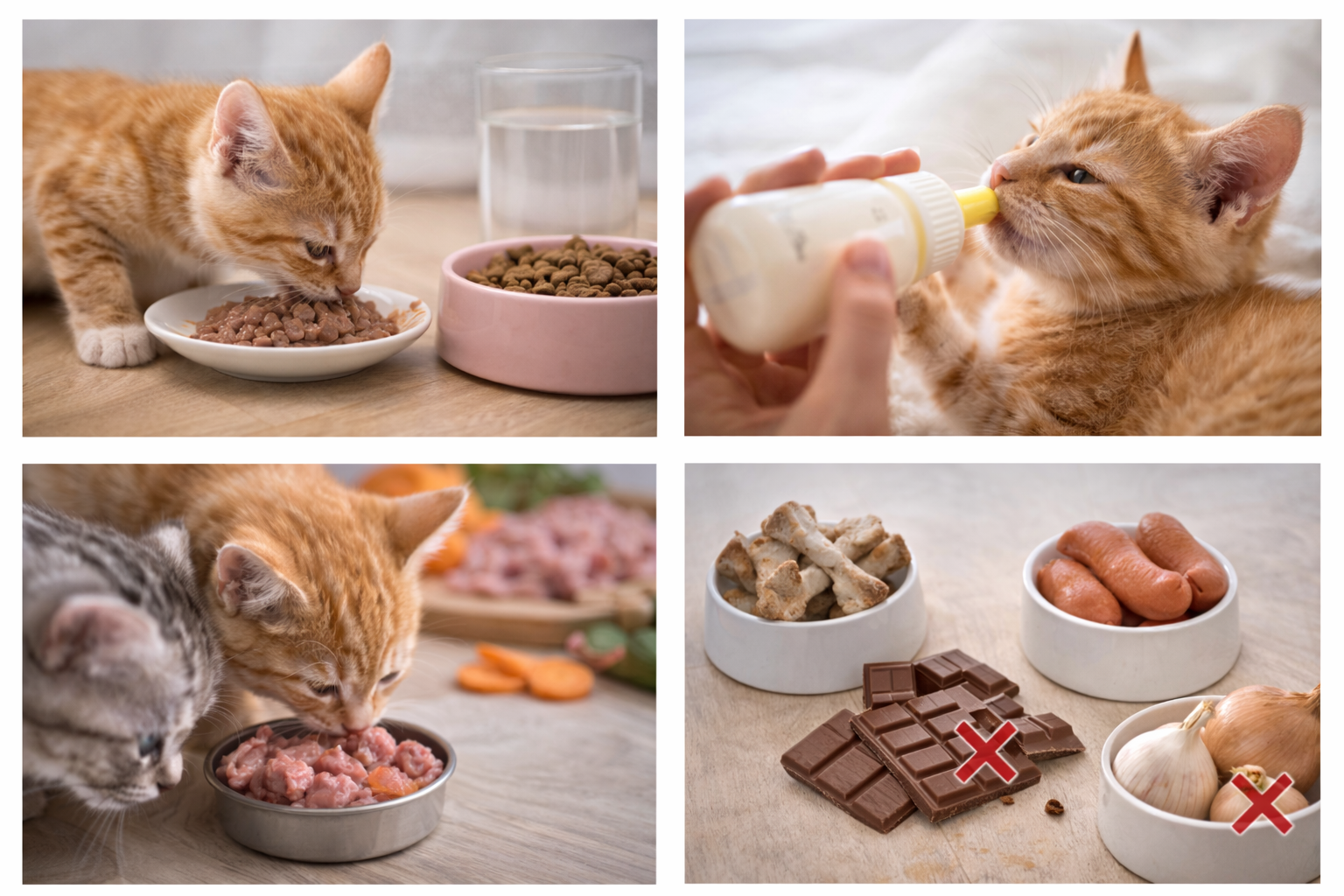

When a tiny kitten shows up in your home, the first question is always: what do I feed it? I asked myself the same thing when I rescued a two-week-old stray. Turns out, kitten nutrition is completely different from adult cat feeding, and mistakes can have serious consequences.
The good news? The pet food market offers complete, balanced options that cover all a kitten’s needs. The bad news? Wrong choices can lead to health problems down the road.
Main Feeding Options
| Type | Pros | Cons | Best Age |
|---|---|---|---|
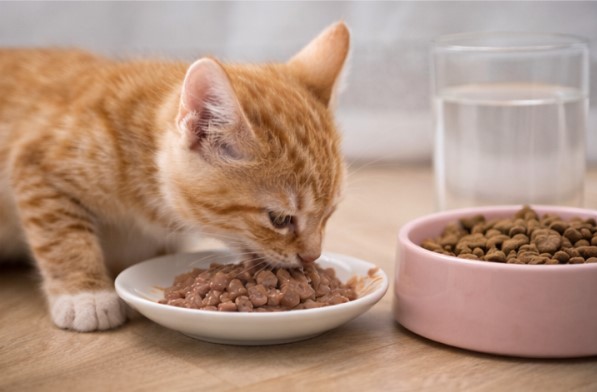
| Dry food | Convenient, long shelf life, helps clean teeth | Needs constant fresh water, some kittens don’t like it | From 8 weeks |
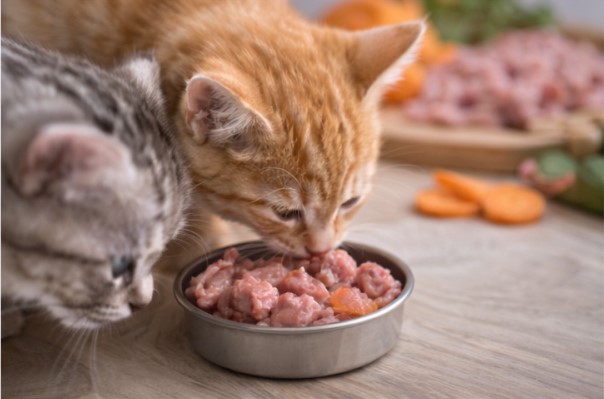
| Wet food (pouches, cans) | High moisture, tasty, easy to eat | More expensive, spoils quickly once opened | From 4 weeks (weaning) |
| Raw / homemade | You control ingredients | Hard to balance nutrients, requires vet guidance | Only with veterinary supervision |
How to Choose a Kitten Food
The food must be labeled “complete and balanced” and appropriate for the life stage. Look for “Kitten” or “Junior” on the package.
Choose premium or super-premium brands. They contain more meat and fewer fillers.
Don’t mix different brands unnecessarily — a kitten’s digestive system is sensitive.
Feeding Schedule by Age
| Age | Meals per Day | Approx. Daily Amount |
|---|---|---|
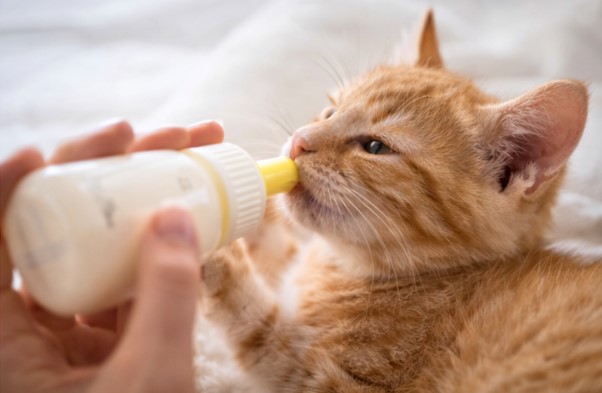
| Under 4 weeks | Mother’s milk or kitten formula only | Every 2–3 hours |
| 4–8 weeks | 5–6 times | Start introducing solid food |
| 2–3 months | 4–5 times | ¼ – ⅓ cup (40–60 g) total |
| 3–6 months | 3–4 times | ⅓ – ½ cup (60–80 g) total |
| 6–12 months | 2–3 times | ½ – ¾ cup (80–100 g) total |
A feeding schedule should match the kitten’s age, weight, activity level, and the instructions on the food package. Very young kittens need frequent meals, while older kittens can gradually move toward fewer feedings per day.
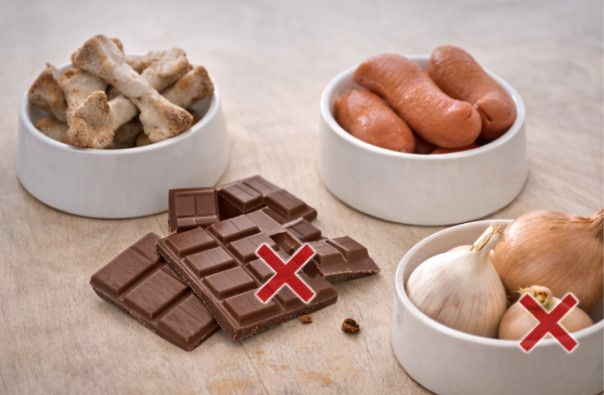
Foods Never to Give a Kitten
- Cow’s milk — many kittens are lactose intolerant; it causes diarrhea.
- Raw fish — can contain parasites and destroys vitamin B1.
- Cooked bones, including chicken and fish bones — they can splinter and perforate the digestive tract.
- Sausages, ham, and smoked meats — too much salt, fat, and spices.
- Chocolate and candy — toxic to cats.
- Onions and garlic — can cause anemia.
- Raw pork — risk of disease.
How to Switch Foods
Always transition gradually over 5–7 days:
- Days 1–2: 75% old food + 25% new food
- Days 3–4: 50% old food + 50% new food
- Days 5–6: 25% old food + 75% new food
- Day 7: 100% new food
Watch your kitten’s stool and behavior during the switch.
Water
Fresh water must be available at all times. Change it daily. Don’t place the water bowl right next to the food — many cats prefer to drink away from their eating area.
What Not to Do
- Don’t feed “people food” from the table — it’s not balanced for kittens.
- Don’t overfeed — obesity stresses growing joints.
- Don’t give expired or spoiled food — it can cause severe illness.
- Don’t feed only fish — it can lead to urinary problems.
Prevention Tips
- Visit a vet — they’ll recommend the best diet for your specific kitten.
- Weigh your kitten weekly to ensure healthy growth.
- Monitor litter box habits — diarrhea or constipation means something’s wrong.
The Bottom Line
The easiest and safest choice for most kittens is a high-quality commercial kitten food, dry, wet, or both. It’s formulated to meet all their nutritional needs. If you want to feed homemade, do it under veterinary supervision. Stick to a schedule, keep fresh water out, and never share your dinner.
Tested on my neighbor’s cat: Royal Canin Kitten dry food and a can of wet food once a day — he grew up healthy and perfectly chunky.
What do you feed your kitten? Got a favorite brand? Share in the comments!
Related guides