Home cleaning, organization and lifestyle tips
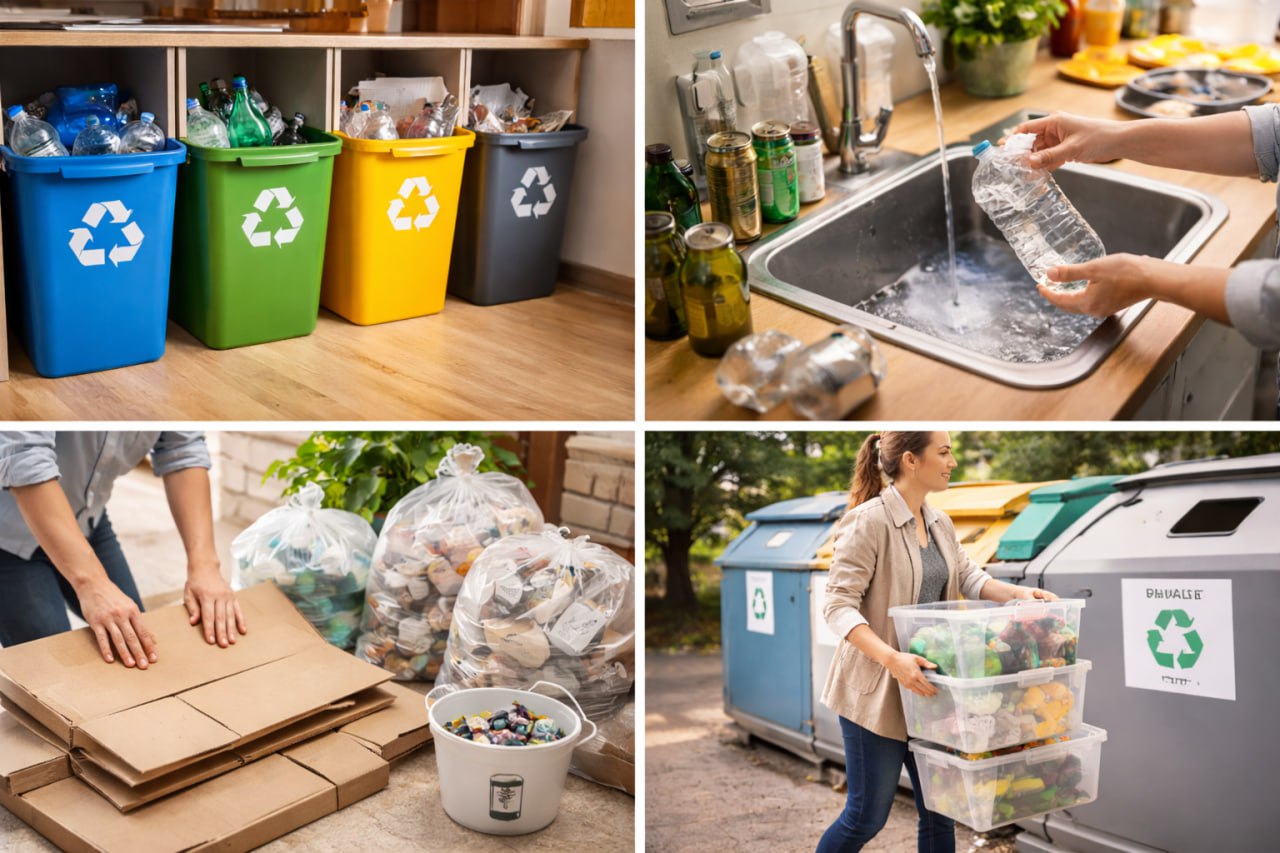

When I first thought about sorting my trash, it seemed complicated and like it would take up tons of space. I was wrong. Starting small, I got used to it fast, and now recycling is just part of my routine. The key is to understand the basics and not try to do everything at once.
What you’ll need
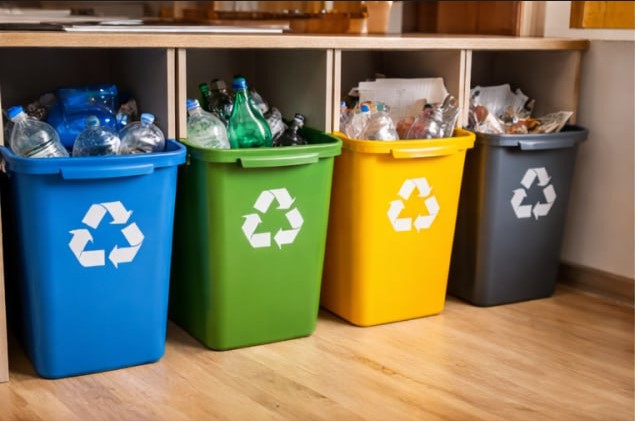
- Bins or containers (at least 3–5) — regular buckets work, or you can buy stackable sorting bins.
- A spot to store them — like a bottom kitchen cabinet shelf or a corner of the balcony.
- Bags for different materials (reusable ones are great, but regular bags work too).
- Labels (stickers or a marker).
Step-by-step guide
- Find out what they recycle in your city. Check with your local waste management or look up recycling drop-off locations online. Usually, it’s plastics (#1, 2, 4, 5), glass, paper/cardboard, metal (aluminum, tin), hazardous waste (batteries, light bulbs), and compost (if you have a spot for it).
- Pick a spot. Set up a few bins in your kitchen or a closet. You can start with just two: one for regular trash, one for recyclables. Add more bins as you get comfortable.
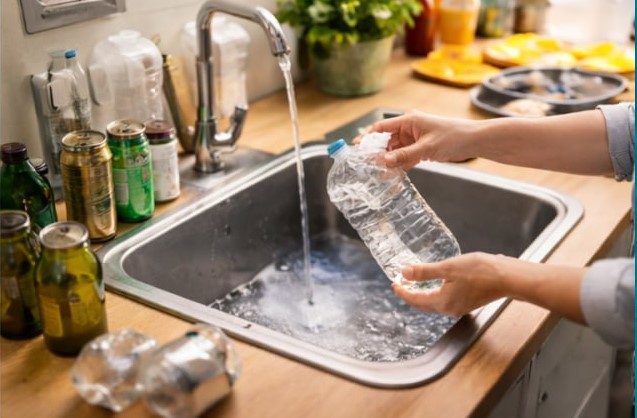
- Prep your recyclables. Give plastic and metal containers a quick rinse so they don’t stink. Paper and cardboard can stay dry and clean-ish — no need to wash them.
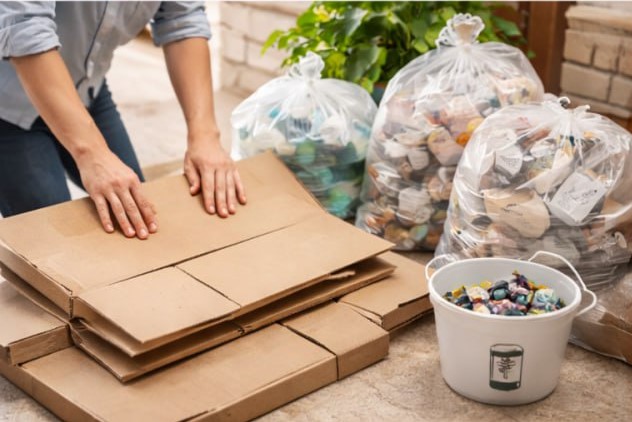
- Crush and flatten. Smash plastic bottles and break down cardboard boxes — it saves a ton of space.
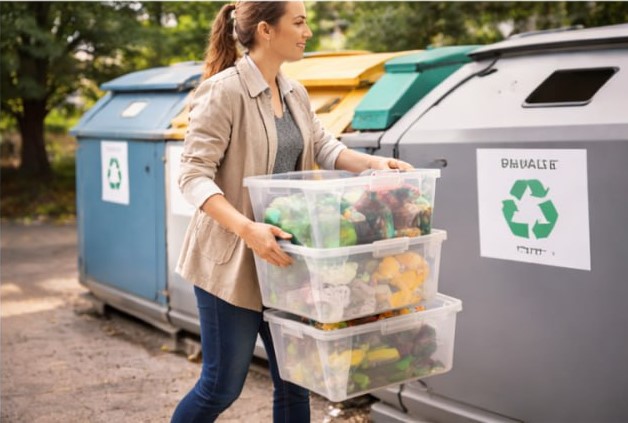
- Take them to a drop-off or set them out for pickup. Check online for schedules. Some grocery stores have bins for batteries and plastic bags.
Cheat sheet: what goes where
| Material | Examples | Labels/Marks | Where to Take It |
|---|---|---|---|
| Plastic | Bottles, jugs, tubs | #1, 2, 4, 5 | Recycling bin or drop-off |
| Glass | Bottles, jars | — | Glass recycling bin |
| Paper/Cardboard | Newspapers, boxes, office paper | — | Paper recycling |
| Metal | Aluminum cans, tin lids | — | Metal recycling |
| Hazardous | Batteries, electronics, light bulbs | — | Special collection boxes |
| Food Waste | Scraps, peels | — | Compost or trash |
What not to do
- Don’t toss greasy or food-soiled containers in with clean recycling — it can ruin the whole batch.
- Don’t mix different plastic types if your local facility sorts them separately.
- Never throw batteries in the regular trash — they’re toxic and bad for the environment.
- Don’t leave food residue on recyclables — it attracts bugs and smells.
Prevention tips
- Start buying more bulk items to cut down on packaging.
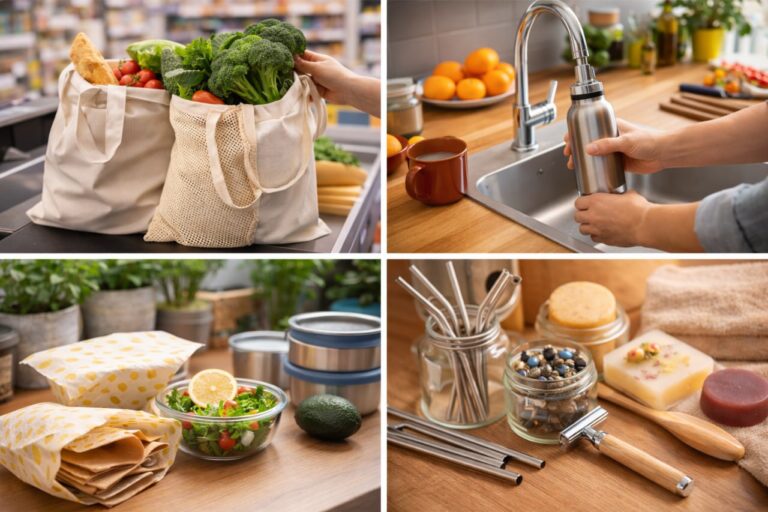
- Bring your own reusable bags and containers when you shop.
- Keep a simple log of what you throw away — it helps you see where you can improve.
The bottom line
Recycling at home isn’t hard once you start small. Even one bag of recyclables a week makes a difference. Don’t worry about being perfect — just build the habit step by step.
Tested in my own kitchen: a month after I started sorting, my trash can started filling up half as fast.
Do you recycle at home? Share your experience in the comments!
Related guides