Home cleaning, organization and lifestyle tips
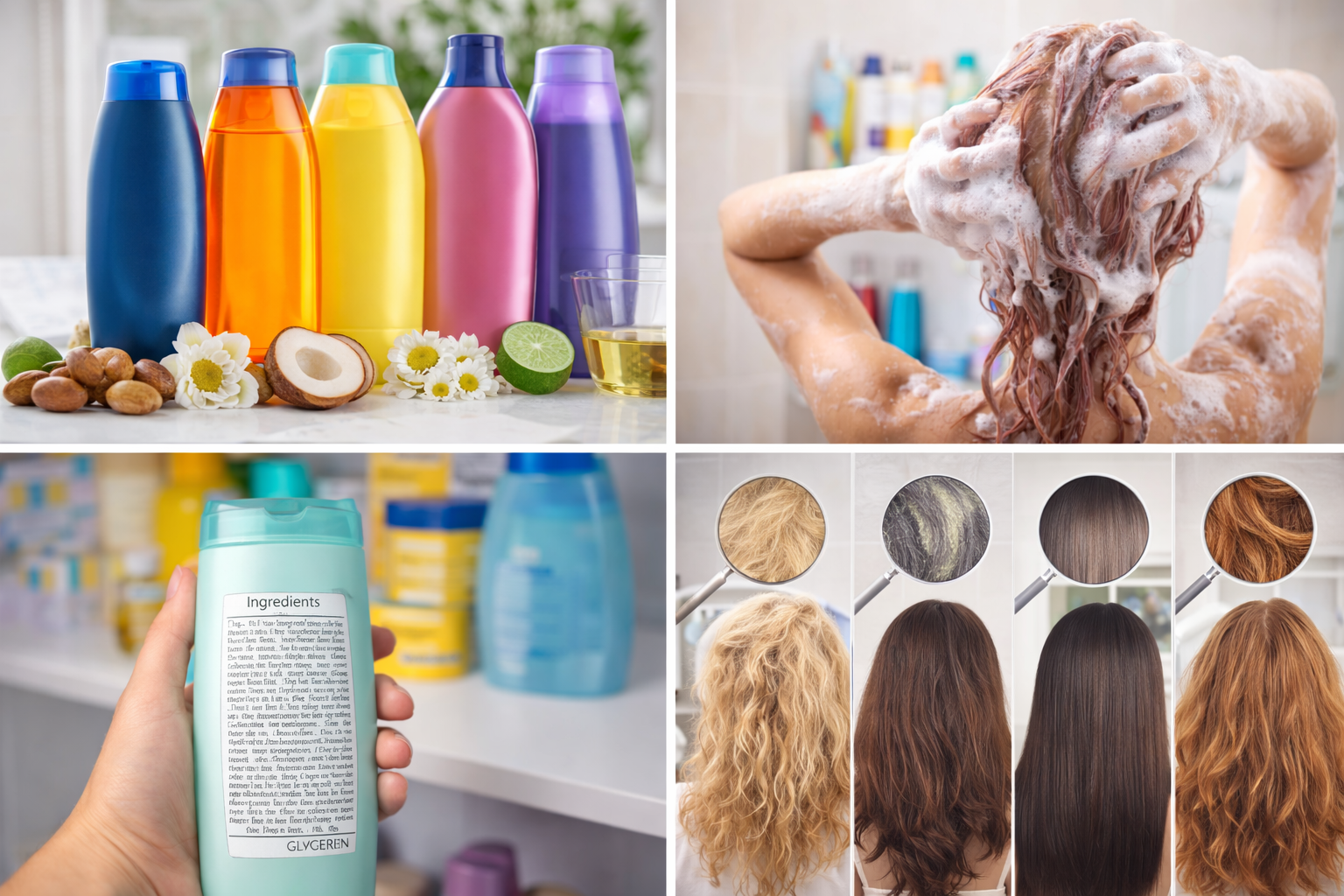

I used to pick shampoo based on how it smelled and how much it cost — until I noticed my hair was getting greasy too fast or feeling brittle. Turns out, my hair type needed a completely different formula. Now I always read labels and know exactly what works for me.
The good news? There are tons of shampoos out there, and the perfect one for your hair exists. The bad news? The wrong choice can make your hair problems worse.
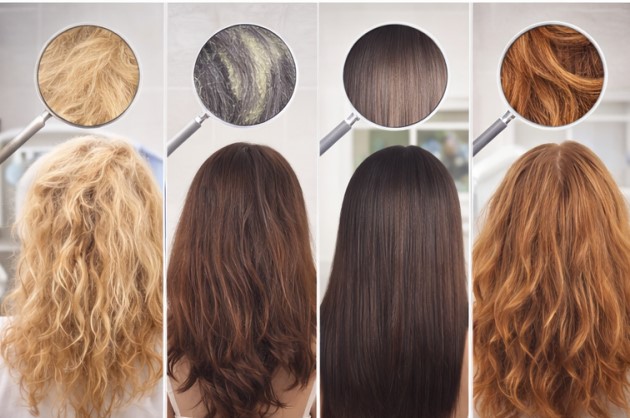
Hair Types and What They Need
| Hair Type | Needs | What to Look For in Ingredients |
|---|---|---|
| Dry | Hydration, nourishment | Natural oils (argan, coconut), panthenol, keratin |
| Oily | Sebum control, lightweight cleansing | Zinc, herbal extracts (nettle, chamomile), salicylic acid |
| Normal | Gentle cleansing, balance | Mild surfactants, proteins |
| Color-treated | Color protection, UV defense | UV filters, low pH, sulfate-free formulas |
| Damaged | Repair, strengthening | Keratin, silk proteins, amino acids |
What to Check on the Label
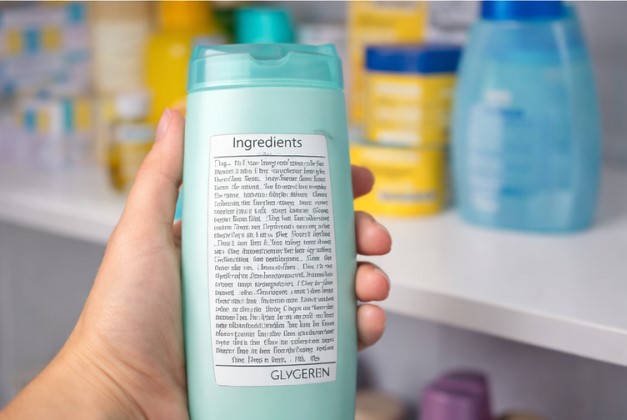
SLS (Sodium Lauryl Sulfate) and SLES — harsh detergents. If you have a sensitive or dry scalp, look for sulfate-free shampoos or milder cleansers like cocamidopropyl betaine or decyl glucoside.
Silicones — they make hair feel smooth but can build up and weigh it down. In a shampoo (which rinses out quickly), they’re less problematic, but fine hair might prefer silicone-free options.
pH level — healthy hair likes a slightly acidic pH of 4.5–5.5. Color-treated hair especially benefits from lower pH.
Step-by-Step Selection Guide
Step 1. Identify Your Hair Type
Pay attention to how quickly your hair gets oily, how it feels after washing, whether you have dandruff or breakage.
Step 2. Read the Label
Look for a shampoo specifically labeled for your hair type. Be skeptical of “all-in-one” or “for all hair types” promises — specialized is usually better.
Step 3. Check the Ingredient List
Make sure there aren’t ingredients you know don’t work for you (e.g., silicones for fine hair, sulfates for dry scalp).
Step 4. Test It Out
Buy a small bottle or a sample. After the first wash, note how your scalp feels (any itching or tightness?) and how your hair looks when dry.
Step 5. Adjust by Season or Condition
You might need a lighter shampoo in summer and a more nourishing one in winter. If your hair suddenly changes (after coloring, in humid weather), switch temporarily to a targeted formula.
What NOT to Do
- Don’t wash your hair too often — it can stimulate excess oil. 2–3 times a week is enough for most.
- Don’t use 2-in-1 shampoo + conditioner — it doesn’t clean or moisturize as well as separate products.
- Don’t pile shampoo on the ends — lather at the roots, and the rinse will clean the lengths.
- Don’t switch shampoos every week — give your hair time to adjust (at least a few washes).
Prevention Tips
- Choose conditioner and masks to match your shampoo — they work as a team.
- Use a clarifying shampoo or scalp scrub once a month to remove buildup.
- Don’t brush wet hair aggressively — it’s weakest when wet.
The Bottom Line
The right shampoo is the foundation of healthy hair. Know your hair type, read ingredient lists, and don’t fall for one-size-fits-all promises. Your hair will thank you with shine and strength.
Tested on my own hair: switching to sulfate-free stopped the greasiness and itching.
Got a favorite shampoo? What’s your hair type? Share in the comments!
Related guides