Home cleaning, organization and lifestyle tips


A refrigerator should smell like almost nothing. If the odor returns as soon as you close the door, covering it with lemon or coffee only delays the real job: locating the source.
This guide separates routine deodorizing from food-safety cleanup. It also explains when a smell points to a hidden drain or drip-pan problem and when the appliance should be checked by a technician.
Quick answer: Remove spoiled food and spills first. Move perishables to a cooler, wash removable parts with warm soapy water, wipe the interior with 1 tablespoon of baking soda dissolved in about 1 quart (1 liter) of water, then clean the gasket, drain and drip pan if your manual allows access. Rinse, dry and air the fridge for about 15 minutes. An odor absorber helps only after the source is gone.
Start with the smell: what is the likely source?
Before emptying every shelf, note when and where the odor is strongest. This five-minute check often prevents unnecessary scrubbing.
| What you notice | Likely source | Check first |
|---|---|---|
| Sour or rotten smell | Spoiled produce, dairy or a dried spill | Crisper drawers, shelf seams and the area under containers |
| Fish, onion or spice odor | Unsealed food or an odor absorbed by ice | Lids, door bins, ice tray and ice bin |
| Musty smell | Moisture, gasket folds or a blocked drain | Door seal, drain opening and condensation |
| Odor in an empty, clean fridge | Drain tube, drip pan, filter or contaminated insulation | The appliance manual and service-accessible areas |
| Burning plastic or electrical odor | Possible electrical fault | Switch off and unplug the appliance; contact service |
Food and cleaning safety before you start
- Keep cold food in a cooler with ice packs. The FDA advises keeping the refrigerator at 40°F (4°C) or below and not leaving perishable food at room temperature for more than two hours.
- Unplug the refrigerator before cleaning the drip pan, drain tube or any area near electrical parts. Follow the model-specific manual before removing panels.
- Let glass shelves reach room temperature before washing them with warm water; a sudden temperature change can crack the glass.
- Never mix bleach with vinegar, ammonia or another cleaner. Do not pour boiling water into plastic parts or the drain.
- Test any cleaner on a small hidden area. Vinegar can help with residue and odor, but it is not a substitute for an approved sanitizer when sanitizing is required.
How to remove the odor in 7 steps
1. Remove the source, not just the smell
Discard food that is spoiled, leaking or of uncertain safety. Check beneath drawers, under shelf trim and inside door bins. If raw meat or another high-risk food leaked, isolate the affected parts and follow food-safety guidance rather than relying on deodorizer alone.
2. Empty the fridge and sort food quickly
Work one shelf at a time or use a cooler so perishables stay cold. Wipe containers before returning them. Store strong-smelling foods in sealed containers; our guides to storing vegetables correctly and keeping fruit fresh longer can also reduce future waste and odors.
3. Wash removable shelves and drawers
Use warm water and a small amount of unscented dish soap. Pay attention to corners, rails and the underside of drawers. Rinse so soap residue does not transfer to food, then dry every part completely.
4. Deodorize the interior with baking soda
For routine cleaning, dissolve 1 tablespoon of baking soda in about 1 quart (1 liter) of warm water. Wipe walls, ceiling, shelf supports and the door interior with a soft cloth. Baking soda helps loosen residue and neutralize odors without adding perfume.

5. Treat residue carefully
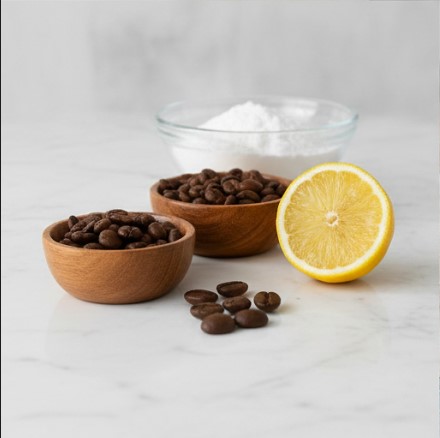
If the manual permits it, equal parts water and white vinegar can help remove some stubborn residue. Use it separately, never with bleach. For a stuck-on spot, apply a small amount of baking-soda paste, wait a few minutes and wipe gently; avoid hard scrubbing on glossy plastic or metal.
6. Clean the hidden odor traps
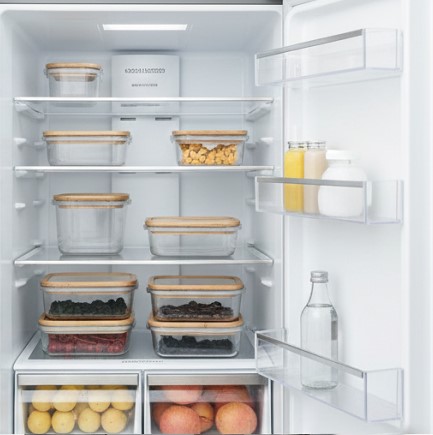
Wipe all folds of the door gasket and dry them. Clear only the visible drain opening with the tool or method specified by the manufacturer. If the drip pan is user-accessible, unplug the fridge, remove it according to the manual, wash it and reinstall it dry. Also check the water filter and ice bin if your model has them.
7. Rinse, dry and air out
Wipe cleaned surfaces with a fresh damp cloth, dry them and leave the door open for about 15 minutes. Return food only when the interior is dry and cold. Set an appliance thermometer in the middle shelf and confirm a temperature of 40°F (4°C) or below.
What to do if the odor is still there
- Place fresh baking soda or activated charcoal in a shallow container after cleaning. Replace it when it becomes damp or stops working. Absorbers maintain freshness; they do not fix leaks or spoiled food.
- Repeat the drain, gasket and drip-pan checks. A smell that appears only when the fan runs, an electrical smell or odor returning after two thorough cleanings needs professional service.
- If spoiled food contaminated insulation, the odor may be impossible to remove safely. The USDA notes that severe persistent odor can sometimes mean the appliance must be discarded.
- For more low-odor options around the home, see our guide to eco-friendly alternatives to household cleaners.
How to prevent fridge odors
- Keep the refrigerator at 40°F (4°C) or below and avoid overfilling it, so cold air can circulate.
- Wipe spills immediately, especially milk, meat juices and sauces that can run into shelf seams.
- Check produce and leftovers once a week; label cooked food with the date and use sealed containers.
- Wash the gasket and inspect the drain monthly. Replace a damaged gasket that no longer seals.
- Keep a shallow odor absorber inside, but never use fragrance to hide a recurring smell.
Frequently asked questions
How long does it take to remove a fridge odor?
A fresh spill may take 20 to 30 minutes to clean. A strong odor from spoiled food can require a second cleaning and 24 to 48 hours with an absorber. If the smell returns, look for a drain, drip-pan or gasket problem.
Can I clean the fridge with vinegar?
Use diluted white vinegar only if the manufacturer permits it. It can help with residue and odor, but it should not be presented as a universal disinfectant. Never combine it with bleach.
Why does a clean, empty refrigerator still smell?
The source may be below the visible compartment: the drain, drip pan, water filter, ice system or insulation. Check the manual and arrange service if those areas are inaccessible.
Can I use the same method in a freezer?
Yes for removable parts and routine deodorizing, but switch off and defrost the freezer according to its manual. Protect frozen food in another freezer or a well-packed cooler while you work.
Should I leave baking soda in an open box?
A shallow container exposes more surface area than a box. Replace the soda when it becomes damp or no longer controls mild background odors.
Sources and further reading
- U.S. Food and Drug Administration: safe refrigerated food storage
- USDA Food Safety and Inspection Service: removing odors from refrigerators and freezers
Related guides