Home cleaning, organization and lifestyle tips
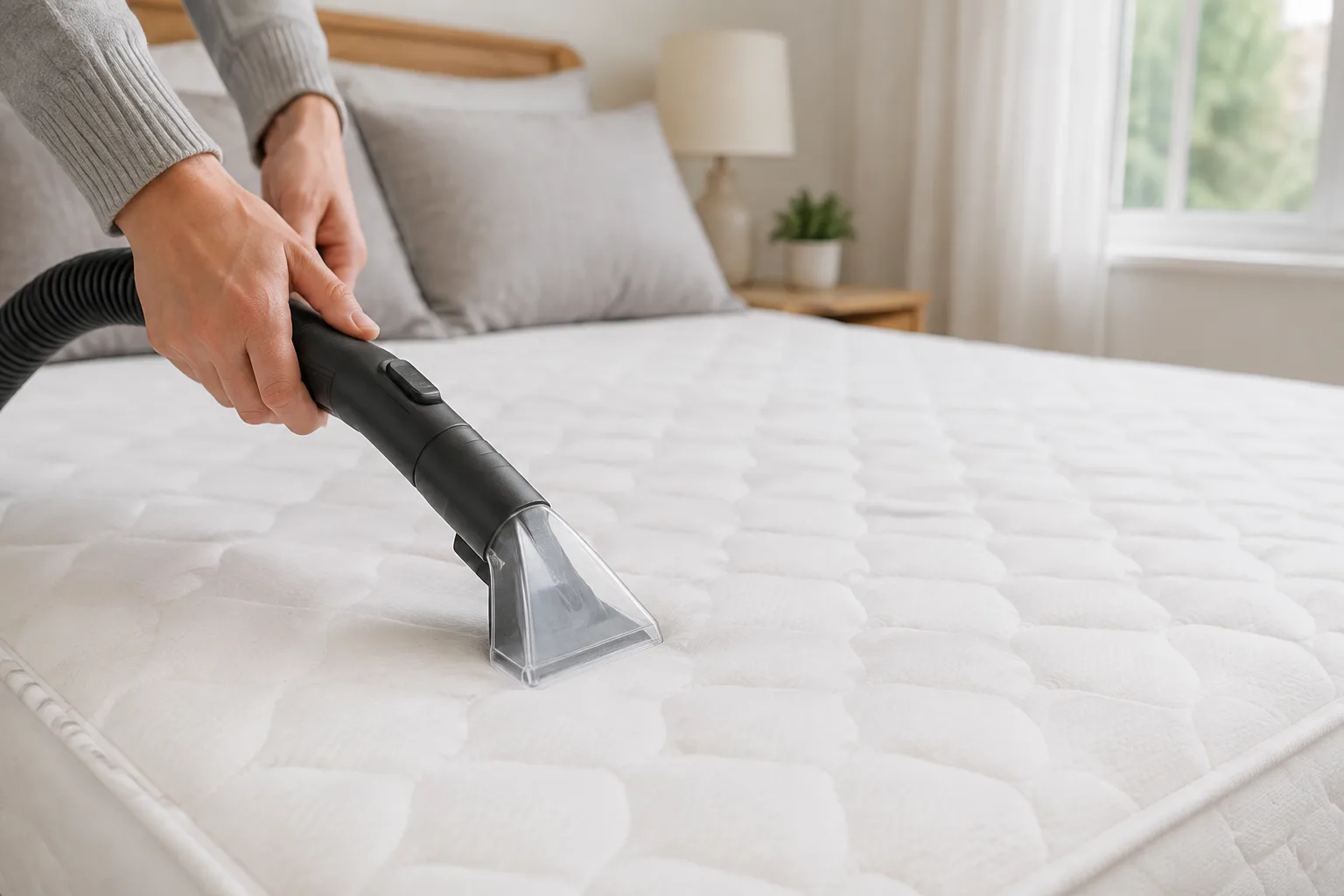

Short answer: vacuum a dry mattress, address a spill by blotting rather than scrubbing, and spot-clean only with the product care label’s approved method. Use very little liquid, then let the mattress dry completely before making the bed.
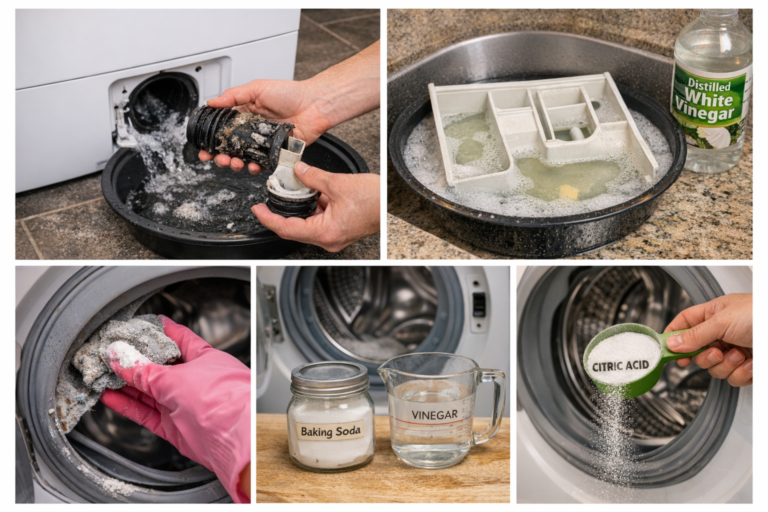
Mattresses are not washable upholstery. Foam and internal layers can hold moisture, so “more cleaner” is not better. The same careful approach to moisture in our safe washing-machine cleaning guide and home water-saving guide applies here.
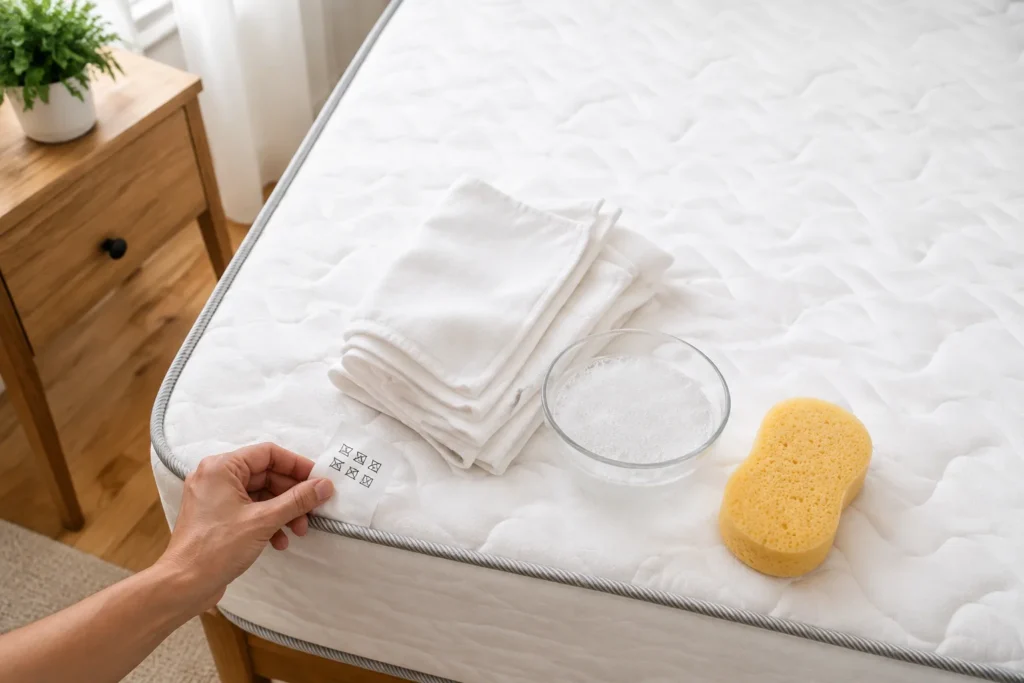
Start with the care label
Check the mattress and removable-cover tags before using water or any cleaner. Some covers may be washable; others must stay on. Some foams should never be wet. When the label is missing or the stain is old, test a tiny hidden area or ask the manufacturer for advice.
Routine refresh: dry cleaning first
- Strip the bed and wash sheets, protector and removable cover only as their labels allow.
- Vacuum the top, seams and edges with a clean upholstery attachment.
- For a stale smell, a light layer of baking soda may be used only if the care instructions allow it; keep it dry, leave it for the stated time, and vacuum it up completely.
Do not use a steam cleaner or saturate the surface. A clean mattress should not be left damp merely to make it smell stronger.
How to deal with a fresh spill or small surface stain
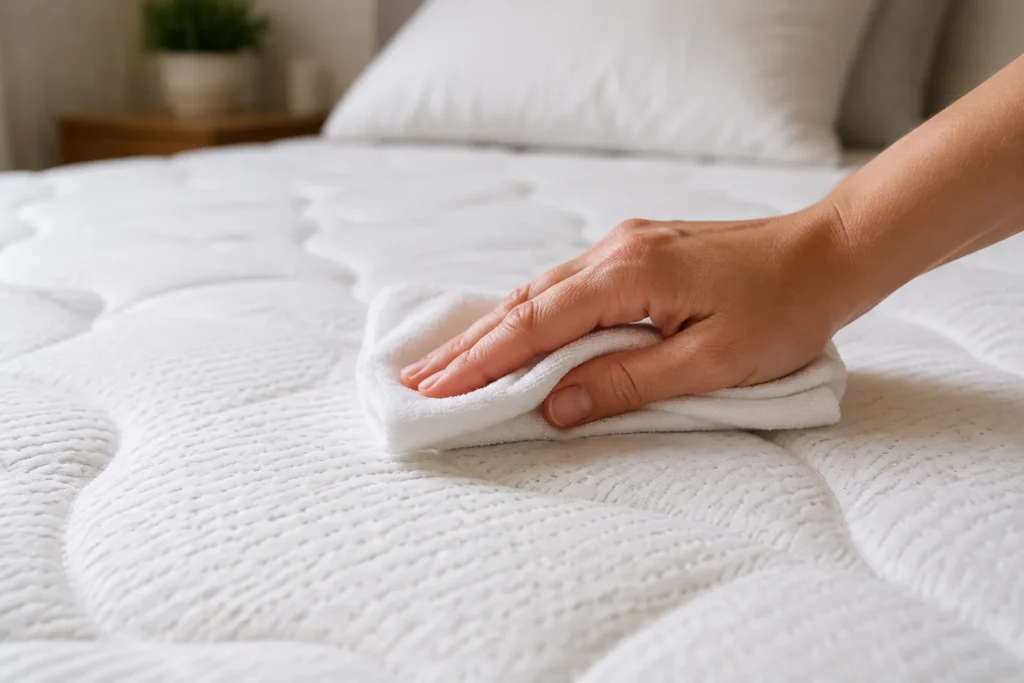
Act promptly. Remove bedding, then press a clean white cloth onto the area and lift it repeatedly. Do not rub. If the label permits, put a small amount of mild detergent solution or a cleaner made for the cover material on the cloth—not directly into the mattress—and dab gently. Use a second cloth barely dampened with plain water only if residue must be removed, then blot again.
What to avoid
- Bleach, solvents, harsh stain removers and untested chemical combinations.
- Flooding the mattress, steam cleaning foam, or applying a cleaner directly into the layers.
- Removing a zip cover unless the manufacturer says it is removable and washable.
- Using a hair dryer or remaking the bed while the mattress is still damp.
For bodily-fluid stains, follow the mattress maker’s instructions or use a compatible, labelled upholstery or enzyme cleaner only if the label permits. Stop and seek professional advice if the core is wet, odor persists after full drying, or a large area has been affected.
Drying is the safety step
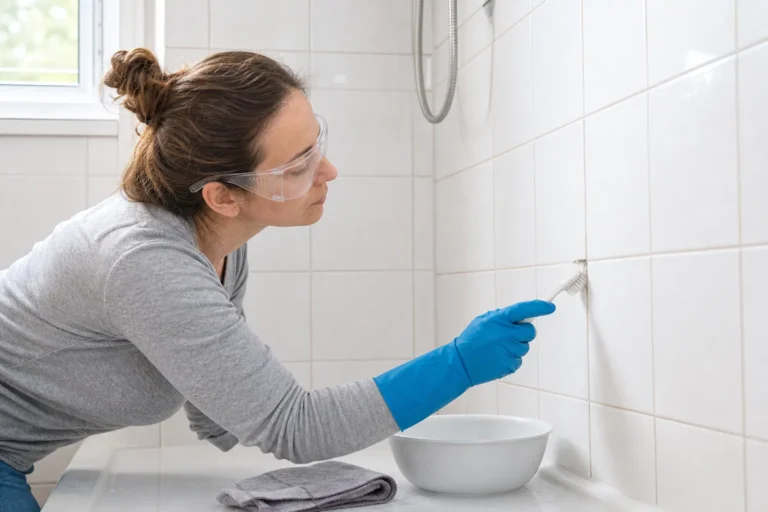
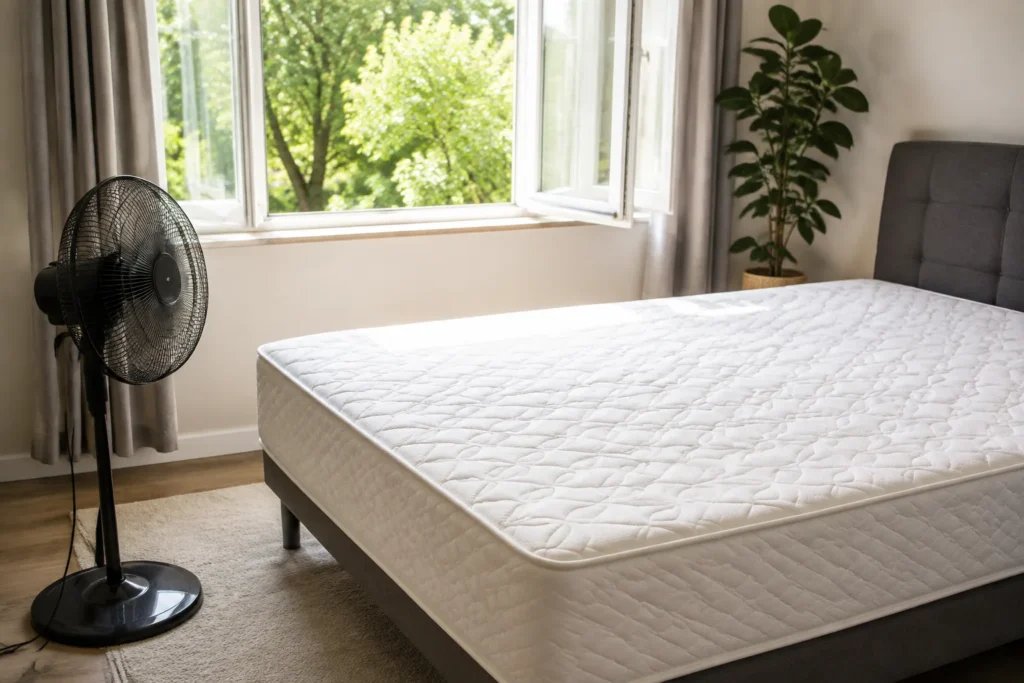
Press dry towels against the treated area, open the room and aim a fan across the surface. Drying time depends on the mattress, humidity and amount of moisture; do not rely on a clock. It must feel dry through before sheets go back on. This matters for the same reason we address moisture in safe bathroom mold-cleaning guide.
Prevent the next stain
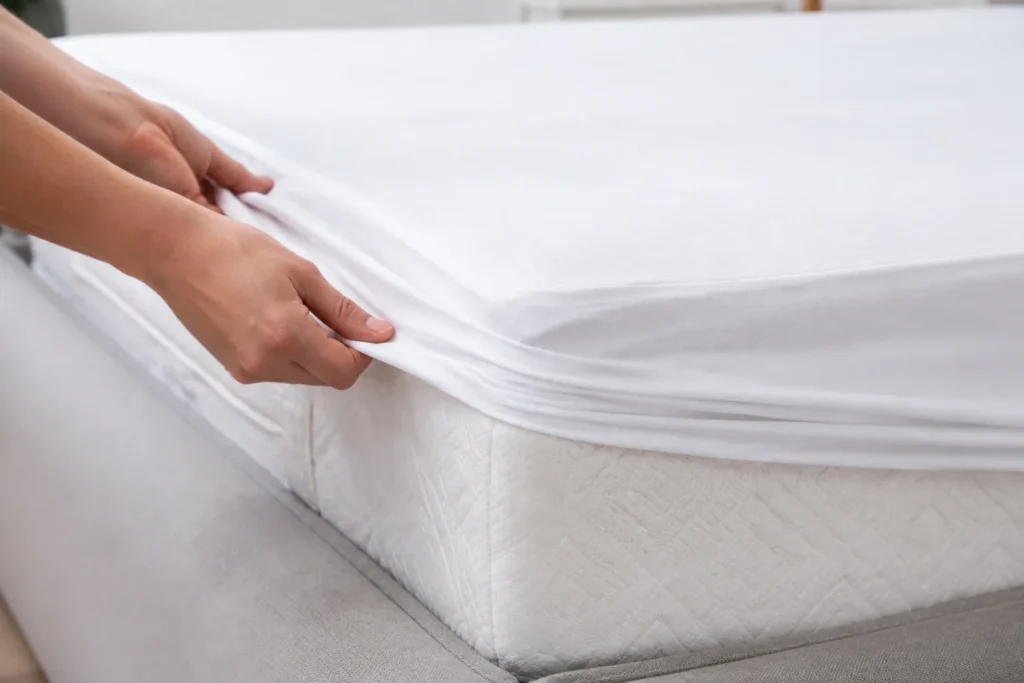
Use a fitted, washable protector and wash it according to its label. Rotate or flip a mattress only when its manufacturer allows it; many modern mattresses are one-sided. Keep food and drinks away from the bed where practical, and deal with spills immediately. Odor is a signal to clean the source—not mask it, a principle also covered in guide to removing fridge odors.
Sources
Related guides