Home cleaning, organization and lifestyle tips
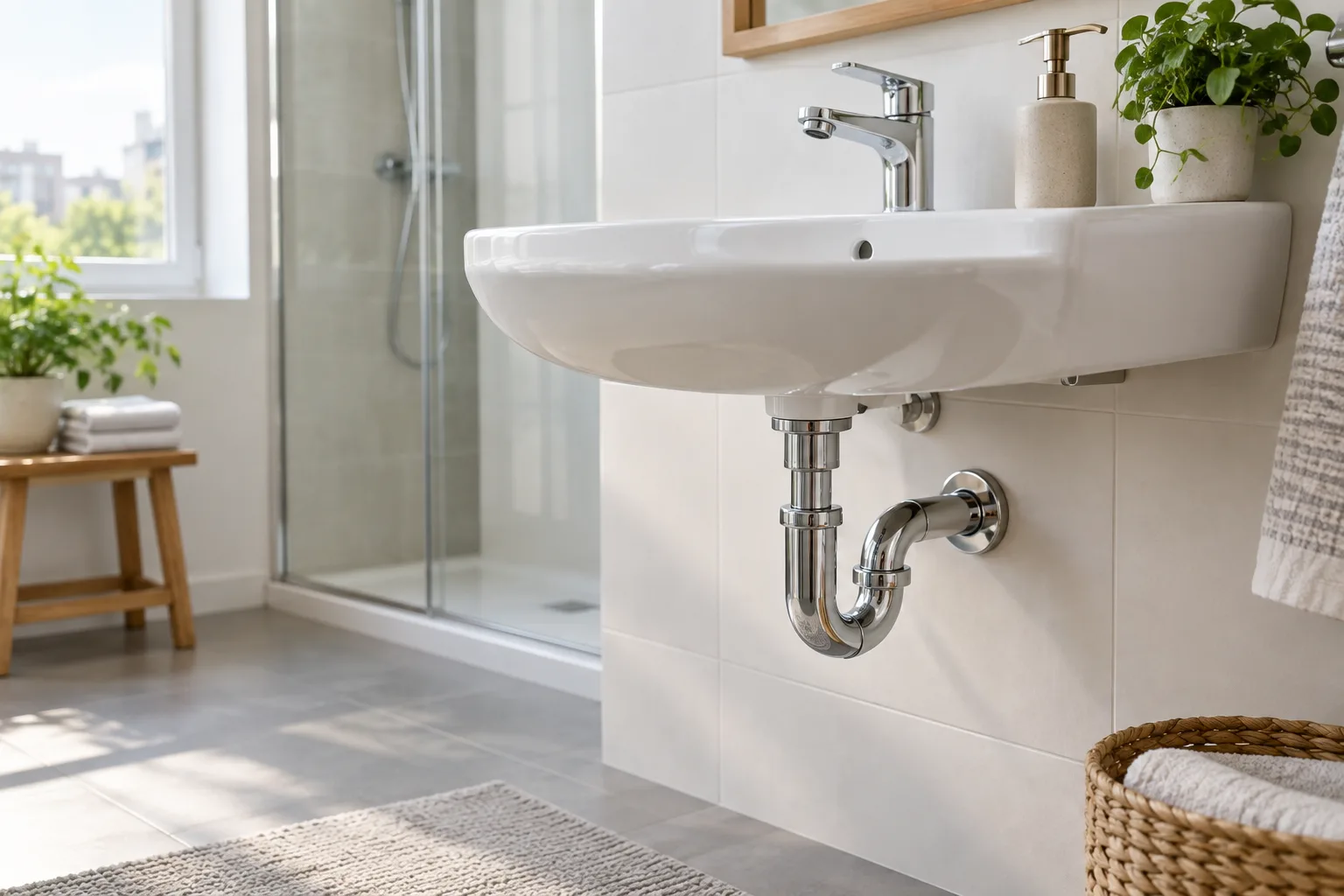

Start here: find the exact drain the odor is coming from, ventilate the room, and refill the water seal in every little-used sink, shower, tub, or floor drain. If the smell disappears after water runs, a dry trap was the likely cause. If there is a leak, sewage backup, persistent odor, dizziness, headache, nausea, or a strong odor in an enclosed area, stop experimenting and contact a qualified plumber or local emergency service as appropriate.
A drain odor is not something to mask with fragrance. Plumbing systems normally keep sewer gases out of a home through water-filled traps and roof vents. When that barrier dries out, a connection leaks, a drain is obstructed, or venting is impaired, odors can enter a room. A simple cause is common, but a confident diagnosis matters more than a dramatic homemade reaction.
Locate the source before cleaning anything
Walk through the apartment and note whether the odor is strongest at a sink, shower, bathtub, toilet base, washing-machine standpipe, utility sink, or floor drain. Check rarely used rooms first: guest bathrooms, laundry rooms, basements and garages are classic places for a trap to dry. Look under sinks for moisture, cracked fittings, loose slip nuts, or a displaced drain hose. Also notice clues such as slow drainage, gurgling when another fixture is used, a toilet that rocks, or odor that arrives when neighbours use water. These details help distinguish a local, do-it-yourself check from a building plumbing problem.
Open a window or run the bathroom exhaust fan while you inspect. Do not light a match, smoke, or use a flame to “test” an odor. Do not enter a sewer, septic tank, crawlspace, or other confined space. Sewer gas is a mixture whose concentration and components vary; smell alone is not a reliable safety meter.
First fix: restore a dry water trap
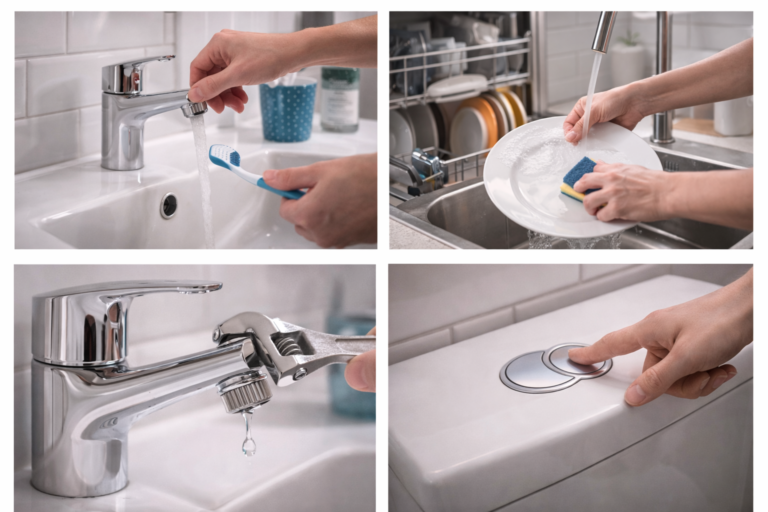
The curved pipe under a sink is usually called a P-trap. It holds water, and that water creates a seal between the room and the drain system. Showers, tubs and many floor drains have a trap too, even where you cannot see it. After weeks of non-use, heat or dry air can evaporate the water. Running water for a minute or two, or carefully pouring water into a floor drain, often restores the seal.
- Run cool or warm tap water into each rarely used fixture; for a floor drain, pour in clean water slowly.
- Wait a few minutes with ventilation on, then check whether the odor has reduced.
- If it returns quickly, do not keep adding chemicals. Look for a leak, a missing trap, a vent issue, or call for an inspection.
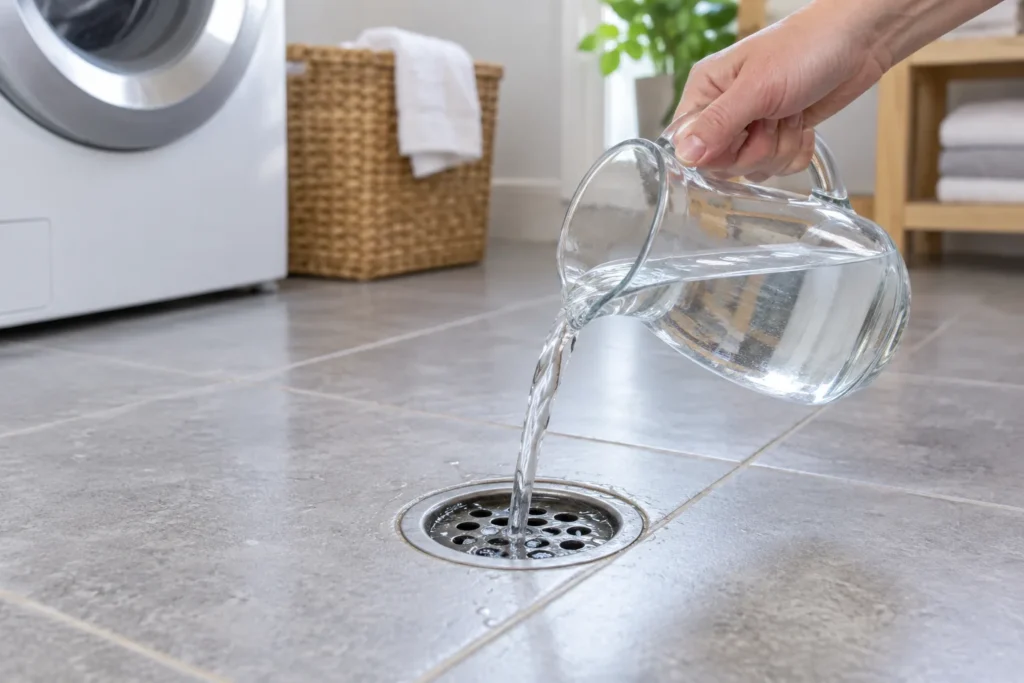
For a property that will be vacant, ask a plumber or building manager about an appropriate long-term trap-maintenance plan. Some utilities mention a small layer of mineral oil as a way to slow evaporation, but a landlord, local plumbing code, and the particular fixture may set the right approach. Water is the first, low-risk test.
When the smell comes from the drain opening
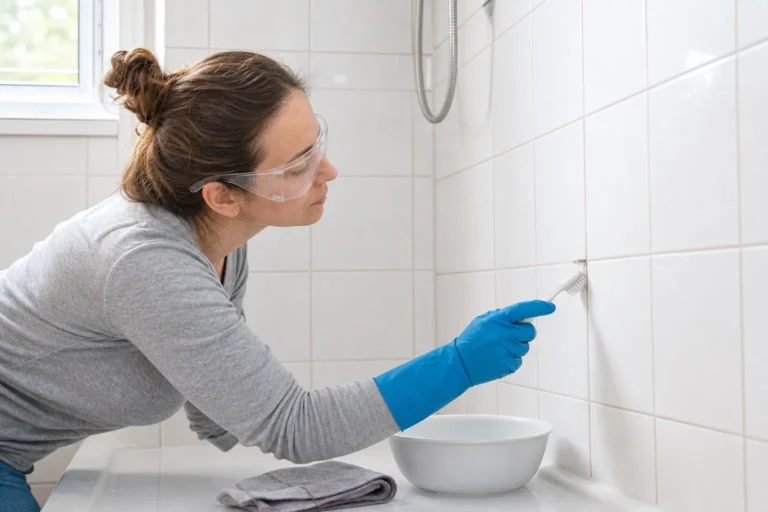
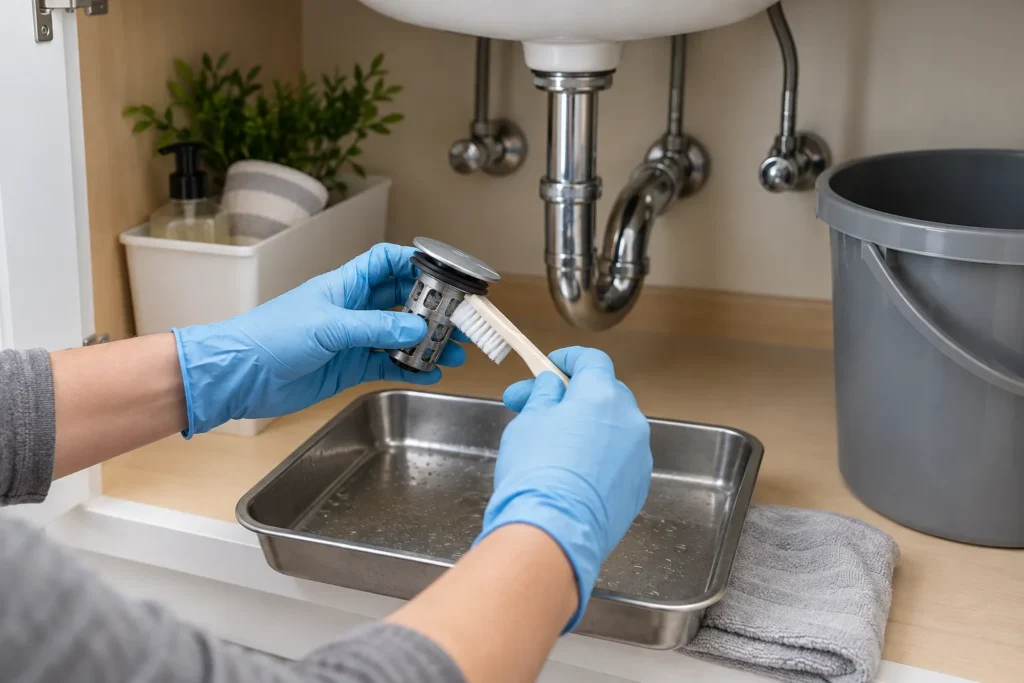
Hair, soap residue, food particles and greasy film can collect at a stopper, strainer, overflow opening or the first section of pipe. Start with removal, not a chemical mix. Put on gloves, take out a reachable stopper or basket according to its instructions, and clean it with a brush and ordinary dish soap. Wipe the drain rim and, if accessible, the overflow opening. Rinse with tap water. Do not push tools deep into a pipe unless you know what you are doing.
A plunger can help when a sink or tub drains slowly, provided it is used correctly and no caustic drain cleaner has been added. Cover the overflow when appropriate, use enough water to seal the plunger cup, and work in short controlled strokes. Stop if water backs up, if the fixture is shared with another drain, or if you suspect a blockage in a building stack. A drain snake is easy to misuse and can damage older pipework; for recurring or deep blockages, a plumber is the better choice.
What not to pour down the drain
Do not combine bleach, vinegar, ammonia, acids, alkalis, or commercial drain products. “Bubbling” is not proof that a mixture is cleaning a pipe, and combinations can release irritating or dangerous fumes. Avoid boiling water in unknown or damaged plastic plumbing; use hot tap water only when it is appropriate for the fixture. Do not pour grease, oil, paint, solvents, medication, or a large amount of food into a drain. A deodorizer can hide the clue you need to find the actual fault.
If you choose a commercial drain cleaner, follow the label and the pipe manufacturer’s guidance exactly, never mix it with another product, and tell a plumber that it was used. In a rental apartment, a building rule may require that maintenance handle clogs or traps. Mechanical cleaning and professional diagnosis are often safer than escalating chemicals.
Check for leaks, venting and building-wide clues
Water under the cabinet, a cracked corrugated hose, loose connection, or damp stain can allow odors out even when a trap contains water. Tightening or replacing plumbing components is best left to someone who can confirm the fittings and seals are compatible. A rotten-egg odor that changes when toilets flush, drains gurgle, or neighbours use water can point to a venting or shared-stack problem. Roof vents should not be inspected from a dangerous roof edge; report the symptom to building maintenance or a plumber instead.
If the odor is strongest around a toilet base, if the toilet moves, or if there is staining or leakage, do not caulk over the problem. The seal may need professional repair. Similar caution applies to a floor drain that repeatedly dries or to a smell that seems to come from inside a wall.
When to get urgent help
Leave the immediate area and seek help if the smell is intense in a closed room, if anyone develops headache, dizziness, drowsiness, nausea, eye/throat irritation or breathing difficulty, or if there is a sewage backup. Call emergency services if you believe there is a high concentration of gas or an immediate danger. For a persistent but non-emergency odor, a licensed plumber can test traps, seals, vents and drain lines without guessing.
Prevention that actually helps
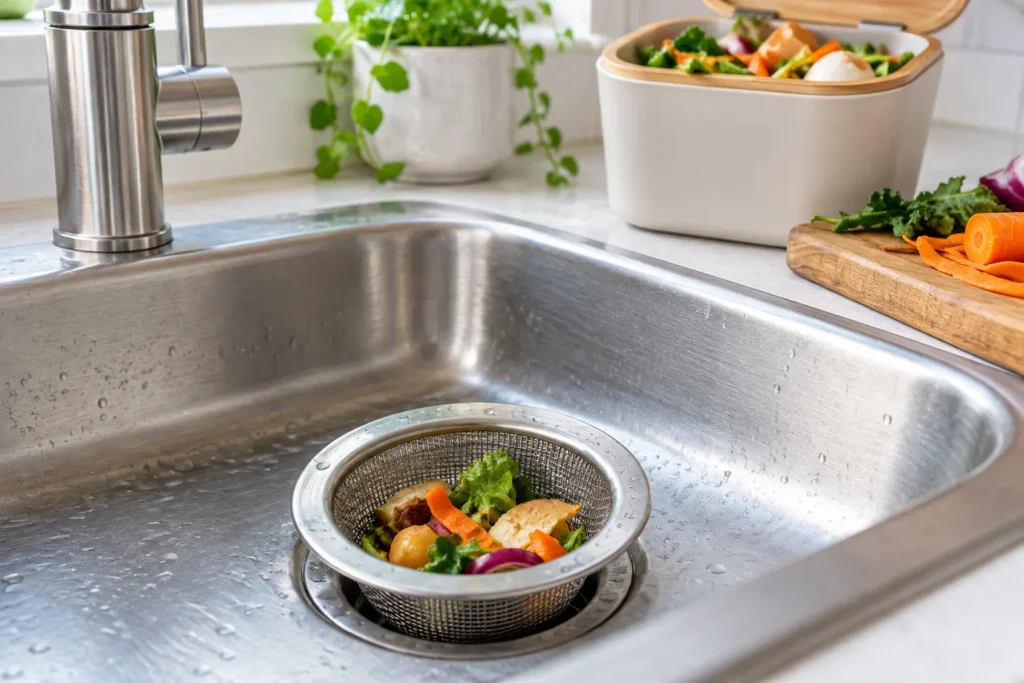
Run water in every infrequently used fixture about monthly, and keep floor drains on the same reminder. Empty hair catchers and sink strainers before they become a mat. Put cooking grease into a container for disposal, not into the kitchen sink. Clean only reachable parts regularly and address slow drainage early. Filling only what you need and avoiding unnecessary water waste are compatible habits; see our guide to saving water at home for practical ways to save water without neglecting drains. In bathrooms, drying wet surfaces and fixing leaks also complements our safe bathroom mold-cleaning guide.
Frequently asked questions
Will baking soda and vinegar solve every drain odor?
No. They do not restore a missing water seal, repair a cracked pipe, clear every blockage, or correct a venting fault. Avoid mixing products; find the source first.
Why does the smell return after I clean the sink?
The source may be another unused drain, a leaking seal, a toilet connection, shared plumbing, or a vent. Recheck all fixtures and arrange an inspection if the odor persists.
Can I cover a drain to stop the odor?
A cover may temporarily reduce a smell, but it does not repair the reason gases entered. Restore the trap water and investigate persistent odor.
Sources
- South Davis Sewer District: sewer odors and P-traps
- North Dakota Department of Environmental Quality: sewer gas
- Wisconsin Department of Health Services: sewer gas and when to get help
Related guides