Home cleaning, organization and lifestyle tips
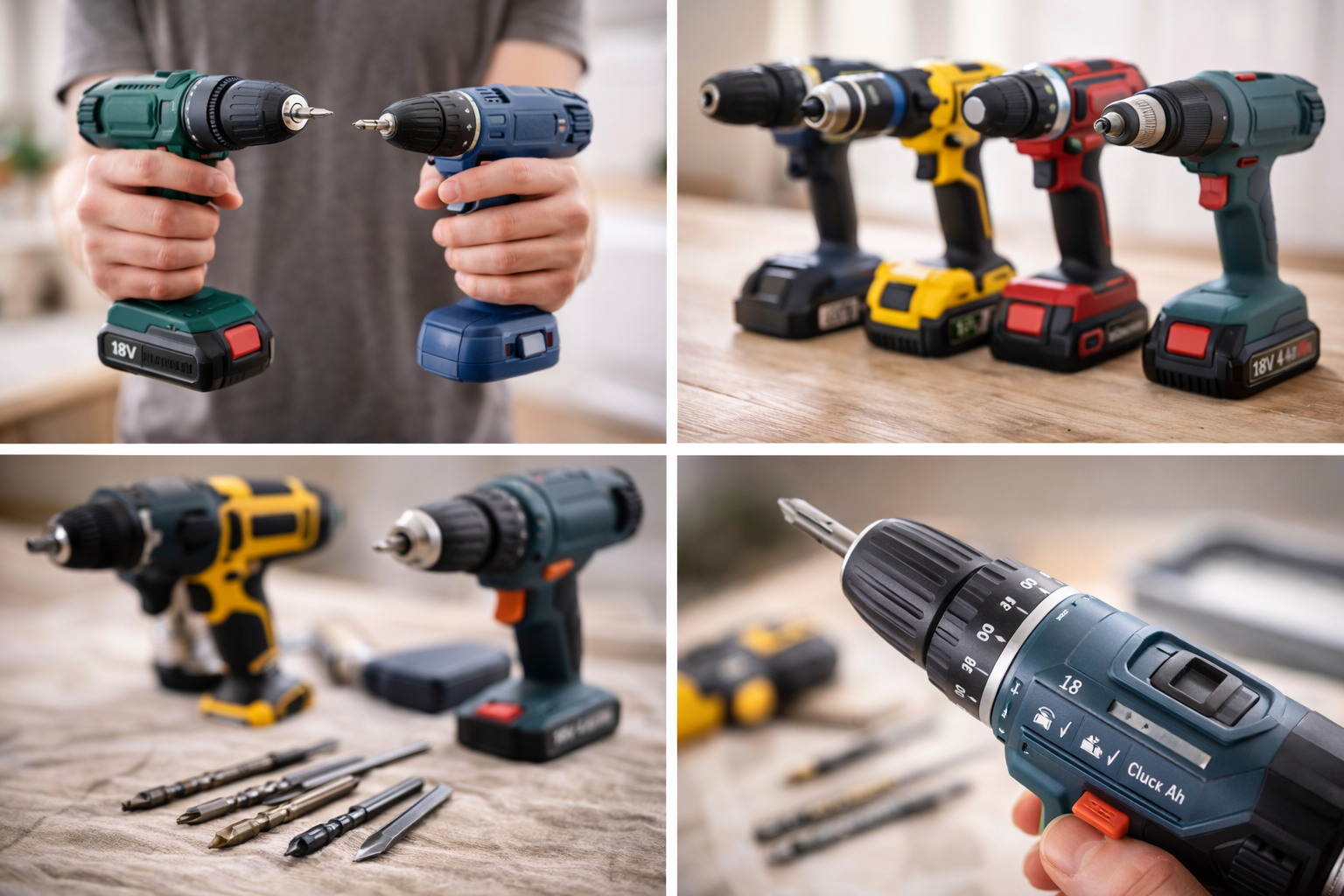

When I first went to buy a drill, I just grabbed the best-looking, most expensive one. Turned out, it was way too heavy for me, and it wasn’t even designed for drilling into concrete. I had to return it. Now I know that choosing a tool isn’t about price — it’s about what you’re actually going to do with it.
The good news? You don’t need a professional-grade tool for home use. A decent consumer model is plenty. The bad news? The specs can be overwhelming in the store.
Key Specs to Understand
1. Power Source
| Type | Pros | Cons | Best For |
|---|---|---|---|
| Cordless | Portable, works anywhere | Limited runtime, more expensive | Furniture assembly, small repairs |
| Corded | Unlimited runtime, more power | Need an outlet, cord gets in the way | Drilling into walls, heavy-duty work |
Verdict: For an apartment, it’s nice to have both, but start with a cordless. If you plan to do a lot of drilling, get a corded drill as well.
2. Voltage and Battery Capacity for Cordless Models
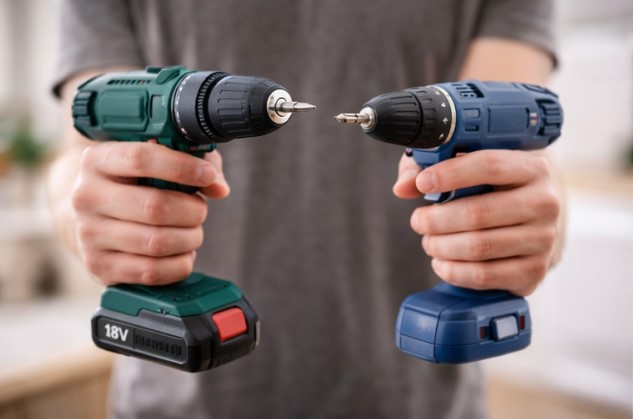
Voltage (V): Higher means more power. For home use, 12–18V is plenty.
Battery capacity (Ah): Higher means longer runtime. 1.5–2 Ah is the minimum; 3–4 Ah is comfortable.
Pro tip: Get a kit that comes with two batteries. You can use one while the other charges.
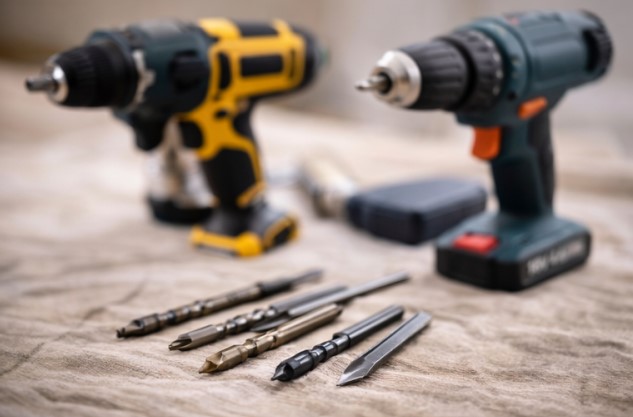
3. Chuck Type
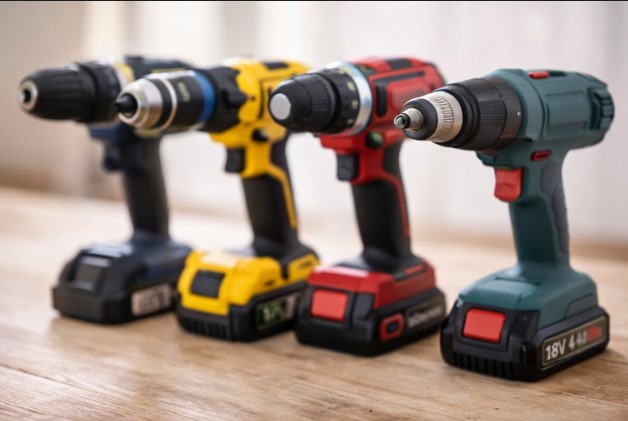
Keyless chuck: Easy — you can change bits with one hand.
Keyed chuck: More secure for heavy-duty work, but you need a key, and it’s easy to lose.
Verdict: For home use, keyless all the way.
4. Operating Modes
Drilling: Standard mode for wood, drywall, and plastic.
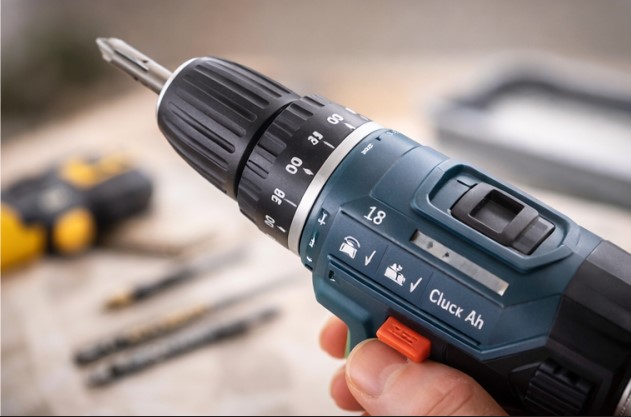
Hammer drilling: For concrete and brick. If you need to drill into load-bearing walls, you want this.
Screwdriving: Adjustable speed and torque so you don’t strip screw heads.
5. Torque
Higher torque means the tool can drive longer screws and drill bigger holes. For home use, 30–40 Nm is enough.
Which Tool for Which Job?
| Task | Recommended Tool |
|---|---|
| Assemble IKEA furniture | 12V cordless screwdriver |
| Hang a shelf on concrete | 600–800W corded hammer drill |
| Drill into drywall | 12–18V cordless drill/driver |
| Work at a cabin with no power | 18–20V cordless with big battery |
| Drill thick concrete walls | Rotary hammer |
Popular Brands for Value
- Bosch — green line for home use, blue line for professional use.
- Makita — reliable but pricier.
- DeWALT — professional level.
- Metabo — solid, with a great battery system.
- Budget brands such as Ryobi, Skil, Black+Decker, and Einhell are fine for light home use.
What Not to Do
- Don’t buy the absolute cheapest tool — it might fail on the first real job.
- Don’t use a regular screwdriver to drill into concrete — it’s not made for hammering.
- Don’t forget to charge the battery before you start — nothing’s more annoying than a dead battery mid-project.
- Don’t work without eye protection — dust and chips fly everywhere.
Maintenance Tips
- Clean the tool after use — wipe off dust and debris.
- Store batteries at about 50% charge in a cool place.
- Lube the chuck occasionally with a drop of machine oil.
- Don’t push the tool beyond its limits — if it’s struggling, you might need a different bit or setting.
The Bottom Line
Choosing a drill or screwdriver for home use is about matching the tool to your most common tasks. For most people, an 18V cordless drill/driver with two batteries is the sweet spot. If you’re drilling into concrete, you’ll want a corded hammer drill as well.
Tested on my own projects: my 12V screwdriver is perfect for furniture, but I definitely needed a corded hammer drill for the concrete walls in my panel-built apartment.
What’s your go-to tool brand? Which drill would you pick for home? Share in the comments!